
Introduction
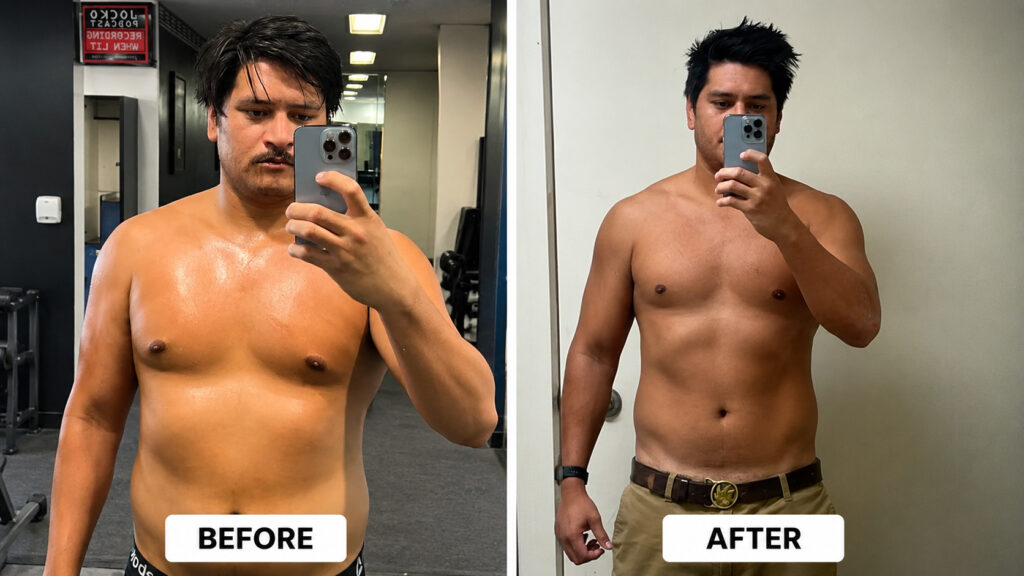
You train hard and eat clean, yet the belly fat still seems to hang around. For many men, especially after 30, the problem often lies in the kitchen. Some foods are easy to overeat, add hidden calories, disrupt sleep, increase cravings, or make consistency harder.
One important point before we start: no single food causes belly fat, and you cannot spot-reduce fat from your stomach. Fat loss happens when your diet, training, sleep, and daily habits create a consistent calorie deficit.
Removing foods that make that process harder can speed up progress.
Here are 10 foods and food categories that men should seriously limit if their goal is to lose stubborn belly fat.
1. Hidden Sugar Bombs
Granola bars, flavored yogurt, bottled smoothies, breakfast cereals, and “healthy” snack bars can look like smart choices. But many contain far more added sugar than you expect.
- Sugar does not instantly turn into belly fat. The bigger problem is that sweetened foods are easy to overeat and may lack enough protein or fiber to keep you satisfied.
- That makes it harder to control calories throughout the day.
- Instead, build meals and snacks around whole foods such as eggs, plain Greek yogurt, lean meat, fish, cottage cheese, fruit, and controlled portions of nuts.
More protein, fiber, and fewer hidden calories make fat loss easier.
2. Liquid Calories
Start cutting unnecessary calories with what you drink.
- Soda, energy drinks, fruit juice, sweet tea, sports drinks, bottled smoothies, and flavored coffee can add hundreds of calories without doing much for fullness.
- You can drink hundreds of calories and still feel ready for a full meal.
- Choose water, sparkling water, black coffee, unsweetened tea, or zero-calorie drinks when appropriate.
Removing calories that do not support hunger control or performance can make a difference.
3. Refined Carbohydrates
Carbohydrates are not the enemy. Carbohydrates can fuel training, recovery, and performance.
- The problem is relying heavily on pastries, donuts, cookies, sugary cereals, desserts, white bread, or pasta.
- These foods can be calorie-dense and easy to overeat.
- Instead, choose more filling carbohydrate sources such as oats, rice, potatoes, sweet potatoes, fruit, beans, and whole grains.
Pair them with protein, vegetables, and healthy fats. The goal is not to fear carbs. Choose carbs that help you stay energized and satisfied.
4. Ultra-Processed “Healthy” Snacks
Keto. Organic. High protein. Low carb. Natural. Those words do not automatically make a product useful for fat loss.
- Protein cookies, keto desserts, snack bars, low-carb chips, and packaged “fitness” foods can still contain a lot of calories.
- Because they are convenient, portions can grow quickly.
- When possible, choose snacks that look like real food: hard-boiled eggs, Greek yogurt, cottage cheese, fruit, turkey, chicken, or a simple protein shake.
Choose food that keeps you full and supports your plan.
5. Alcohol
Alcohol can slow fat-loss progress in several ways.
- First, it adds calories with little nutritional value.
- Second, it can lead to late-night snacks or unplanned meals.
- Third, alcohol can interfere with sleep quality.
- Poor sleep can increase cravings, fatigue, and reduce training quality.
- You do not have to swear off alcohol forever.
- If getting lean is a serious goal, keep it occasional.
Your weekly habits matter more than one perfect day.
6. Fried Foods and Heavy Added Oils
You do not need to panic over every seed oil listed on an ingredient label.
- For fat loss, fried foods and restaurant meals prepared with lots of oil can be extremely calorie-dense.
- One tablespoon of oil contains roughly 120 calories, and restaurants may use several. At home, you have more control.
- Use reasonable portions of olive oil, avocado oil, butter, ghee, or another cooking fat that fits your diet.
Healthy fats still contain calories, so measure them instead of pouring freely. Several extra tablespoons can erase your calorie deficit.
7. Fast Food and Takeout
Fast food is convenient, but convenience often makes calorie control harder.
- Restaurant meals may include larger portions, extra oil, rich sauces, fried sides, sugary drinks, and ingredients you are not tracking.
- A meal that looks moderate can contain far more calories than expected. That is why cooking most meals at home can be a powerful strategy.
- You do not need complicated recipes. Build simple meals around protein, vegetables, a controlled serving of carbohydrates, and some healthy fat.
- If cooking is difficult, a meal-prep service can work too. When eating out, choose grilled proteins, vegetables, rice, potatoes, salads, and sauces on the side.
More control usually means more consistent results.
8. Low-Fat and “Diet” Packaged Foods
Low-fat does not automatically mean healthy, and full-fat does not automatically mean better.
- Some packaged low-fat foods compensate for reduced fat with added sugar, starches, or other ingredients.
- That is why reading the label matters. Compare calories, protein, sugar, ingredients, and serving size.
- Full-fat Greek yogurt may keep one person satisfied longer, while a lower-fat version may help someone else control calories.
Choose foods based on your overall nutrition plan, not marketing words on the package.
9. Nighttime Junk Food
Nighttime snacking can turn a good nutrition day into a calorie surplus.
- Chips, crackers, cereal, cookies, and ice cream are often eaten because of boredom, stress, habit, or screen time rather than real hunger.
- The problem is not that food suddenly becomes fattening after 9 p.m. The problem is that mindless calories add up fast.
- Create a routine after dinner. Clean the kitchen, brush your teeth, drink water, stretch, read, or prepare for bed.
If you are genuinely hungry, have a planned protein-based snack. Otherwise, stop turning television time into eating time.
10. Massive Portions of Healthy Food
Healthy food still contains calories.
- Avocados, nuts, peanut butter, olive oil, rice, steak, granola, and other nutritious foods can slow fat loss when portions become too large.
- This is where many men get confused. They improve food quality but never control quantity.
- Three handfuls of nuts, several spoonfuls of peanut butter, extra cooking oil, and oversized portions can quietly add hundreds of calories.
You do not need to starve. You need enough food to support training and recovery while maintaining a modest calorie deficit.
Portion awareness matters.
What Should Men Eat Instead?
Build most of your diet around foods that make consistency easier.
Prioritize protein at every meal, vegetables, whole fruit, minimally processed carbohydrates, and controlled portions of healthy fats.
Drink mostly calorie-free beverages. Keep meals simple enough to repeat. You do not need a perfect diet. You need one you can follow for months. Losing belly fat is not about punishment. It is about removing habits that repeatedly push you away from your goal.
Train consistently. Walk more. Sleep properly. Eat enough protein. Control portions. Keep alcohol limited. Create a manageable calorie deficit.
Then give the process time.
Get 1-on-1 Coaching With Mike Lemaire
If you are training consistently and eating better but still struggling to lose stubborn belly fat, low energy, or poor recovery may be making progress harder than it needs to be.
Through the Biological Recode System, Mike Lemaire looks at your nutrition, training, sleep, recovery, lifestyle, and goals as one connected system to help you build a plan that works in real life.
Book your 1-on-1 coaching call with Mike Lemaire and start building a leaner body, better energy, and stronger long-term results.